 SEO National
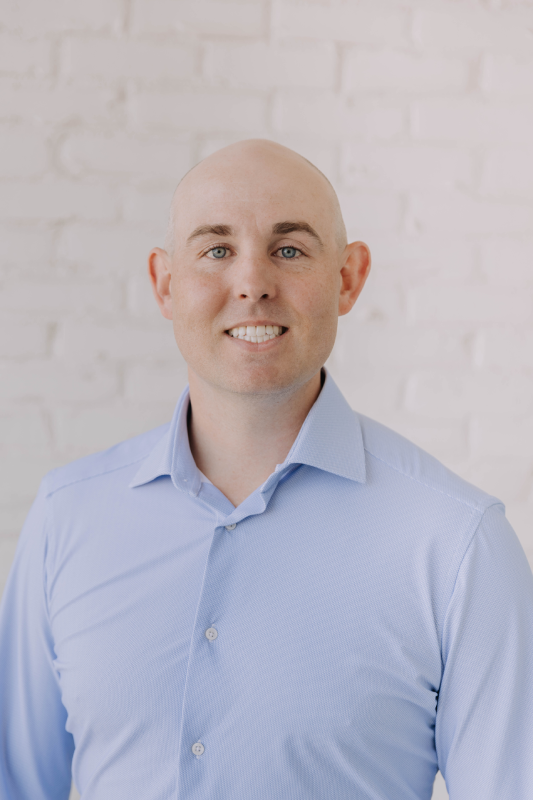
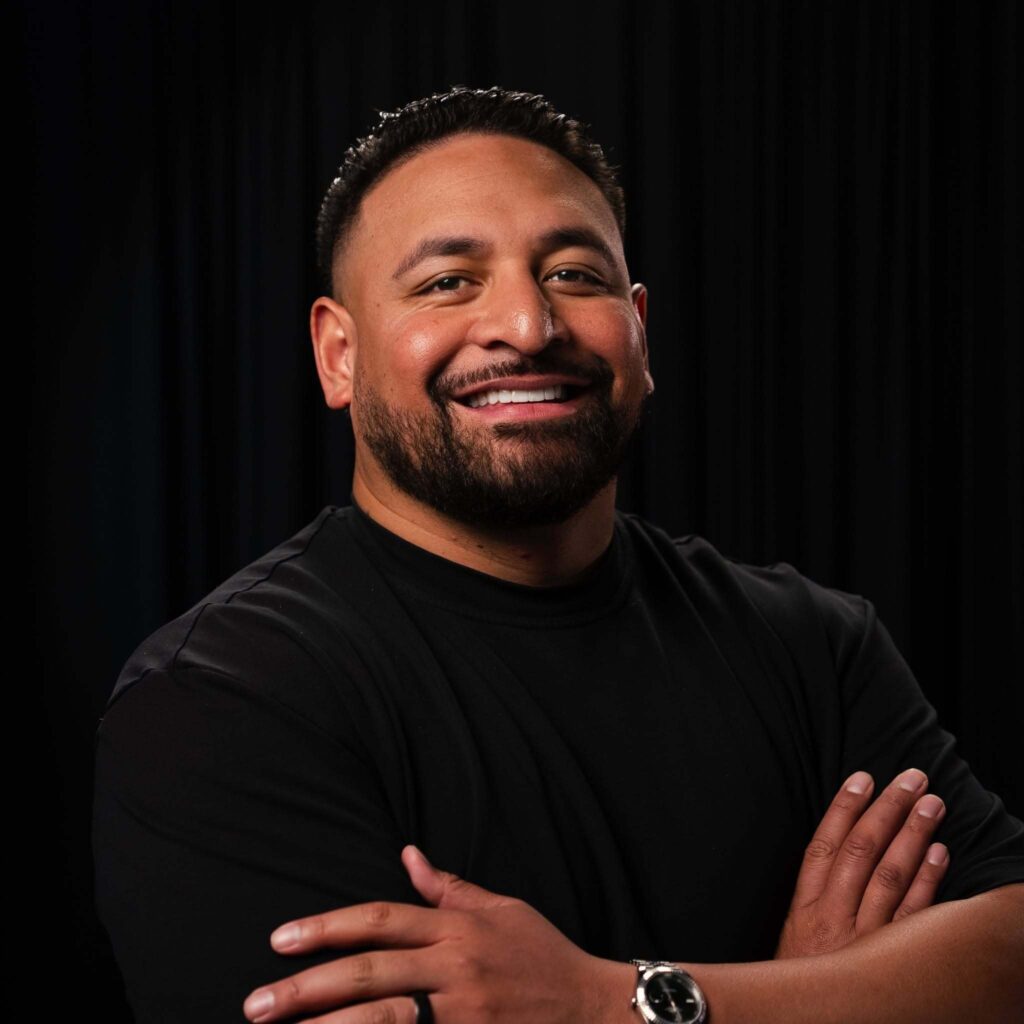
Lamè Kinikini is the Founder and CEO of Elk Ridge Investments, where he helps investors build wealth through strategically acquired short-term rental properties, creative financing, and tax-efficient real estate investing.
Growing up, Lamè watched his father work tirelessly to provide for his family. His father’s discipline, faith, and work ethic had a lasting impact on him, but Lamè also saw the personal cost of spending so much time working. That experience shaped his belief that financial success should not require sacrificing time with the people who matter most.
Lamè initially planned to follow a traditional career path and become a doctor. His direction changed during college when he earned more than $100,000 in a single summer through door-to-door sales. The experience showed him that there were unconventional ways to create wealth, but it also recreated the same problem he had watched growing up: earning more while spending less time with family.
Real estate eventually became his answer. Through creative financing and data-driven investing, Lamè began building a portfolio designed to create cash flow, appreciation, and tax advantages while giving him greater control over his time. He later founded Elk Ridge Investments to help others access similar opportunities without having to personally manage the complexities of short-term rental ownership.
Today, Lamè approaches entrepreneurship with a philosophy built around discipline, action, resilience, family, and faith. He believes meaningful wealth is not simply about reaching a financial number. It is about building something valuable without sacrificing the people and priorities that inspired the journey in the first place.
What inspired you to build Elk Ridge Investments?
The inspiration really goes back to watching my dad. He worked incredibly hard, provided for our family, and did everything he was supposed to do, but I also saw how much time that required him to sacrifice.
Later, I experienced my own version of that while doing door-to-door sales. I was making great money, but I was spending too much time away from my wife and family.
Real estate became a way for me to build wealth without making that same trade. Once I started understanding short-term rentals, creative financing, cost segregation, and material participation, I realized this could become much bigger than solving my own problem.
Elk Ridge Investments came from wanting to give other people that same opportunity: the ability to build wealth while still being present for the life they are building it for.
What challenges did you overcome at the beginning of your journey?
The challenges started long before I became an entrepreneur. I grew up without much, and there were times in high school when I had very little to eat while still going to school and playing football. Looking back, that taught me how to keep going when things were uncomfortable.
My first summer in door-to-door sales was another major test. I started strong, then struggled badly enough that I called my dad from a curb and told him I wanted to come home. I decided not to quit, and that moment became one of the most important lessons of my career.
Later, I left a successful sales career without much of a financial cushion and had to build something from almost nothing. Then, when the short-term rental market corrected after the COVID-era boom, we lost real money and had to rethink the business.
Every level brought a different challenge, but those experiences taught me that setbacks are often what force you to become a better operator.
What is unique about your business?
What makes Elk Ridge different is that we operate at the intersection of three areas that are difficult to do well at the same time: creative acquisitions, short-term rental operations, and tax strategy.
We use creative financing to structure acquisitions intelligently, focus heavily on operating properties at a high level, and build the investment strategy around people who have significant tax liability.
Our model is also structured around one investor per property rather than pooling someone’s money with a large group of strangers.
A lot of companies focus primarily on cash flow, operations, or tax benefits. We had to become good at all three because market conditions forced us to. That combination has become one of our biggest strengths.
Is there anything you would have done differently when starting?
I would have trusted my own value much earlier.
When I was younger, whether in door-to-door sales or raising capital for my first real estate deals, I sometimes gave away too much because I had not yet developed confidence in what I brought to the table.
I also would have started thinking like an operator earlier instead of simply chasing opportunities. Some of my early success in short-term rentals came from being in the right market at the right time. When conditions changed, I had to learn operations, tax strategy, and the fundamentals at a much deeper level.
Building that foundation earlier probably would have saved me a lot of money and stress, although some lessons are difficult to learn until you actually experience them.
What advice would you give to someone trying to become an entrepreneur?
Put yourself around people who are already operating at the level you want to reach.
Some of the biggest jumps in my career happened after I got close enough to successful people to understand how they actually thought and operated, not simply what they posted online.
I would also tell people to stop constantly looking for the easiest path. Go do the difficult thing that is directly in front of you. Make the call, take the uncomfortable opportunity, have the difficult conversation, and do the work.
I believe short-term hard creates long-term easy. A lot of people want the long-term reward without going through the short-term discomfort required to earn it.
What are the qualities of a good entrepreneur?
A good entrepreneur needs a high tolerance for discomfort because building something meaningful requires repeatedly choosing the difficult option when the easy one is available.
You also need focus. Trying to become great at five different things at once usually means becoming average at all of them.
Another important quality is knowing your own value, whether you are negotiating your equity, your time, or your price.
Finally, emotional control matters. Entrepreneurship can give you a major opportunity and a major problem in the same week. Being able to manage your state without allowing either one to control your decisions is what helps you stay in the game long enough to succeed.
How do you define success?
Success is not a number for me.
I’ve reached financial numbers that once seemed enormous, only to realize that there is always another number after that. If money becomes your only definition of success, the treadmill never really stops.
For me, success is building wealth without sacrificing presence with my wife and kids.
I left a career that was making me good money because it was costing me too much time with my family. Everything I’ve built since then has been centered around making sure I don’t have to make that trade again.
If I’m financially successful but absent from my family’s life, I haven’t succeeded by my own definition.
What’s your favorite book or podcast, and why?
I’m more of a podcast and curated-content person than a big reader, but two books have had a meaningful impact on the way I think.
Rich Dad Poor Dad changed the way I viewed debt. I grew up thinking debt was always something to avoid, but the book helped me understand how intelligently structured debt can be used to build and scale assets.
Another book that influenced me is The Science of Sales. I appreciate that it treats selling as a logical and repeatable process rather than something based purely on personality or motivation.
Sales affects almost everything I do, from negotiating real estate deals to communicating with investors and raising capital. Learning to think of it as a process instead of a natural talent was extremely valuable.
What strategy has helped you grow your business?
Learning how to use leverage was a major turning point.
At the beginning, I was trying to grow by saving my own money and purchasing properties with my own capital. Eventually, I realized there was a hard limit to how quickly I could scale that way.
Once I became better at creative financing and negotiating directly with sellers, I was able to structure opportunities differently. I could focus on finding and creating strong deals while capital partners supplied the money.
That changed how I thought about scaling. Instead of relying entirely on what was sitting in my own bank account, the goal became developing the skills to find and structure deals that other people wanted to fund.
What is one belief you have about real estate that many people disagree with?
Real estate is not passive income.
A lot of real estate marketing is built around the idea that you can buy a property and simply collect money while someone else handles everything. My experience has been very different.
The successful operators I know are deeply involved in their businesses. Short-term rentals require constant attention to operations, pricing, guest experience, design, maintenance, and performance.
I also believe people often misunderstand the role of capital. Many aspiring investors think money is the hardest part of doing a deal. In my experience, the harder skill is learning how to identify, structure, and underwrite a deal that is actually worth funding.
When you consistently find strong opportunities, accessing capital becomes much easier.
TL; DR by Kinikini
I believe short-term hard creates long-term easy. The difficult decisions and uncomfortable work you choose today often create more freedom later.
I don’t believe real estate is truly passive. Successful investing requires strong operations, attention, and discipline.
I also believe the deal matters more than the money. Capital becomes easier to find when you develop the skills to identify and structure opportunities worth investing in.
Most importantly, I don’t define success only by financial results. For me, success means building wealth while still being present with my wife and kids. Everything I’ve built through Elk Ridge Investments is ultimately designed around that principle.